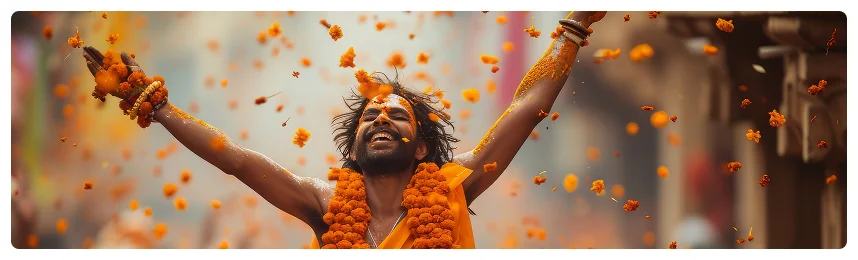

Thinking about booking a flight with HolidayBreakz in 2026? Sort things out early, because this festival gives nobody the luxury of figuring it out at the last minute. Reading up on the Jagannath Puri Rath Yatra ahead of time gets the history sorted in your head, but no amount of reading actually prepares a person for the real moment, standing there, watching a chariot that size roll forward with absolutely nothing mechanical driving it. No engine hidden anywhere inside it. No motor tucked under all that wood. Just rope, hands, and a road full of people. People often trail off mid-sentence trying to explain that part to someone who never stood there themselves.
What Is the Jagannath Puri Rath Yatra?
Picture three siblings living inside a temple. Once a year, they step outside and travel about three kilometers down the road. Subhadra wanted to visit a place called Gundicha, so her two brothers, Jagannath and Balabhadra, built her a ride to get there. Over hundreds of years, that simple idea grew into one of the biggest religious gatherings anywhere on Earth, still centered around Puri's Jagannath Temple.
They travel by chariot. Everyone else, every single visitor, walks the whole stretch shoulder to shoulder along a road called Bada Danda, built just for this purpose. Most temples keep their inner rooms shut tight, letting only a few special people step past that sacred doorway. But for twelve days a year, Rath Yatra throws that whole rule out. The gods leave the building completely. They sit right out in the open, low enough that people standing on the street can reach up, grab the rope, and help pull them forward.
Jagannath Puri Rath Yatra 2026 Date and Schedule
45 feet tall. 16 wheels. That's what carries Lord Jagannath down the road in Puri each July, each wheel taller than the doorway of an average house. No driver, no steering wheel, just a thick rope pulled by hands that stretch back so far into the crowd that the last person in line can't see the front of what they're moving. This exact scene has repeated every single year for longer than anyone alive can personally remember. The Jagannath Puri Rath Yatra date is Thursday, July 16, 2026.
The full buildup starts well before the main procession. Twelve days out, the deities receive a public bath called Snana Yatra. Then they disappear from view for a short rest before the bigger event kicks off. Counting from that bath all the way through the final ritual, the entire jagannath puri rath yatra stretches across twelve days total, so anyone booking a room for the odisha Jagannath Puri Rth Yatra should watch that earlier bathing date closely too. Puri's hotels start filling up around then, not around July 16 like most people assume.
Once the deities settle into Gundicha Temple, they stay there for several days before turning around and heading home, a return trip called Bahuda Yatra, set for Friday, July 24. A day later, on July 25, they get dressed head to toe in gold for a moment called Suna Besha, closing out the full twelve days.
Jagannath Puri Rath Yatra - How Many Days Does It Last?
Jagannath Puri Rath Yatra How many days? Twelve days covers the full stretch, from the deities first leaving the Jagannath Temple to their final return. Nine covers only the middle chunk, the days between the chariots rolling out and rolling back home. That loud part really is nine days on its own. But a festival this old rarely starts and ends exactly where the noise does.
Daily prayers and smaller rituals keep things moving throughout that whole stretch. Right in the middle, a quieter ritual called Hera Panchami takes place. Right after that bath, the deities step out of public view for a short while. Once the deities wrap up their stay and start heading home through a return trip called Bahuda Yatra, one more event sits right behind it. A single day later, they get dressed completely in gold for Suna Besha, a moment so visually striking that photographers plan entire trips just to catch that one picture.
Major Events During the Rath Yatra
Experience all six moments of Jagannath Puri Rath Yatra 2026 that give this festival its actual shape:
- Pahandi: This opens the whole festival. The deities get carried out nice and slow, swaying gently side to side, while drum beats sound louder and faster the closer you come to the chariots.
- Chhera Pahara, The King's Humble Ritual: Before a single rope even moves, this ritual happens first. Puri's own king personally sweeps the chariot platforms clean using a golden broom, which is a small public gesture that reminds everyone that poverty and richness mean absolutely nothing on this particular day.
- The Chariot Pull: Thousands of hands take hold of thick ropes attached to all three chariots, moving thirty tons or more of freshly built wood three kilometers down Bada Danda toward Gundicha Temple.
- Hera Panchami: Hera Panchami interrupts the calm on day four, a goddess searching for a missing husband.
- Bahuda Yatra: Nine days later, Bahuda Yatra reverses the whole trip, crowds nearly matching the outbound journey.
- Suna Besha closes it out on July 25, deities dressed head to toe in gold, drawing photographers who plan entire trips around this one frame.
How to Reach Puri for Rath Yatra 2026
Bhubaneswar's airport is the usual entry point, about sixty kilometers out. Ninety minutes by car under normal conditions. During festival week, that number stops meaning much, since roads clog steadily as July 16 approaches.
During Rath Yatra week, it takes more time since roads clog fast as the date approaches. Trains run directly into Puri railway station too, and railways typically schedule extra services specifically to absorb the surge in pilgrim traffic. Whichever route gets chosen, booking early matters more here than on almost any other Indian festival trip, since both train seats and road transport fill up weeks ahead.
Best Places to Visit Near Jagannath Temple
Puri almost never works as a single-stop kind of trip, and most visitors end up stretching their stay a few extra days just to fit everything nearby into the plan.
- Puri Beach: A short walk from the temple complex, Puri Beach offers quiet vibes to travelers. Visit during early mornings or evenings after that day's rituals finish once the crowds thin back out toward their hotels.
- Chilika Lake: Roughly ninety minutes away, Chilika Lake shifts the entire pace of a trip. It draws migratory birds during cooler months and offers slow boat rides.
- Bhubaneswar: This city holds enough ancient temples. That’s why it is also known as the Temple City of India.
Why Is the Jagannath Rath Yatra So Special?
Every single year, three brand new chariots get built completely from scratch using specific sacred timber, Dhausa and Phassi wood, sourced from designated forests. The carpenters building them have held this exact job for generations too, the same families passing the task from father to son. Once the festival ends, nobody stores the chariots or patches them up for next year. They get taken apart, and the wood gets reused, often as firewood in the temple kitchen.
Travel Tips for Rath Yatra Visitors
- Lock in a hotel months out, not weeks out: Puri's limited room count sells through fast once Rath Yatra dates get announced.
- Pack cotton; skip anything heavy: Coastal Odisha in July runs thick with humidity, and synthetic fabrics just don't hold up comfortably in that kind of heat.
- Check the Temple Administration's site right before traveling: Timings can shift without much warning, and only official updates catch those last-minute changes that older articles won't mention.
- Understand the entry rule upfront: Watching Jagannath Puri Rath Yatra live and helping pull the ropes is open to absolutely everyone, but stepping inside the temple's inner sanctum itself is not.
FAQs
Is nine days the whole festival, or just one part of it?
Nine days only covers the actual stay at Gundicha Temple. Add the waiting days in between and the return journey home with Suna Besha folded in, and the honest total comes out closer to 12 full days.
Is the return trip, Bahuda Yatra, a smaller version of the main event?
Not really smaller, just different in feeling. It happens on July 24, along that same road, drawing nearly the same size crowd.
Do I need to be Hindu to actually take part, or just to watch from the sidelines?
Anyone, regardless of nationality or religion, can stand along Bada Danda, watch the whole procession unfold up close, and even help pull the ropes moving those enormous chariots.
Why don't the chariots get saved and reused the next year?
Because the whole idea behind Rath Yatra is starting fresh, not recycling the old. Every chariot gets built brand new from sacred wood each year, and once the festival ends, it gets taken apart on purpose. The wood usually turns into firewood for the temple kitchen.
Can kids or elderly family members safely join the crowd on Bada Danda?
Families do bring children and elders every year, but the crowd grows thick enough that having a clear plan really does matter before stepping into it.
Popular Blogs


 All Posts


Newsletter
Get travel inspiration & exclusive deals straight to your inbox










 Lowest Price" Guarantee